Handmade ceramics
From the pressure of a hand to the heat of a kiln, ceramic work brings control and change into conversation. Form, surface and firing each contribute to the character of a piece.
Explore clay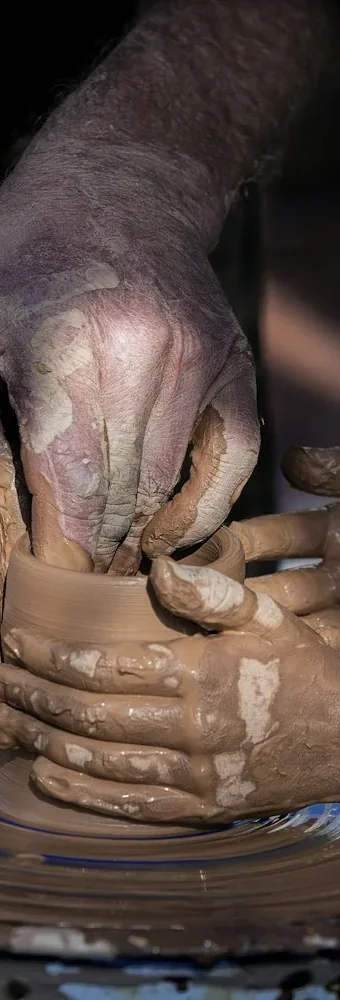

Craft, with a human story.
Tavomirra brings the world of handmade objects into focus, from sculptural ceramics and artisan textiles to the quiet beauty of natural materials.
A finished object is only one part of the story. There are choices behind its shape, knowledge behind its construction and a person behind every considered gesture. Looking at those details changes what we see.
Our interest lies where traditional skill meets individual expression. We look closely at how things are made, how techniques are passed on and how materials influence an idea. With Handmade Shop Beta, Tavomirra invites a more thoughtful discovery of craft: begin with the object, look closer at the material and follow the story of its making.
What we believeDifferent practices. A shared attention to making.
From the pressure of a hand to the heat of a kiln, ceramic work brings control and change into conversation. Form, surface and firing each contribute to the character of a piece.
Explore clayA textile begins with the relationship between fibres. Structure, tension and rhythm turn separate threads into a surface that can hold colour, pattern and a sense of movement.
Follow the threadWorking with wood means responding to grain, density and variation. The material is never entirely uniform; a thoughtful design makes room for those differences.
Look at materialsProportion, touch and purpose meet in everyday objects. Craft invites us to consider not just how something looks, but how it is held, used and lived with over time.
Consider the object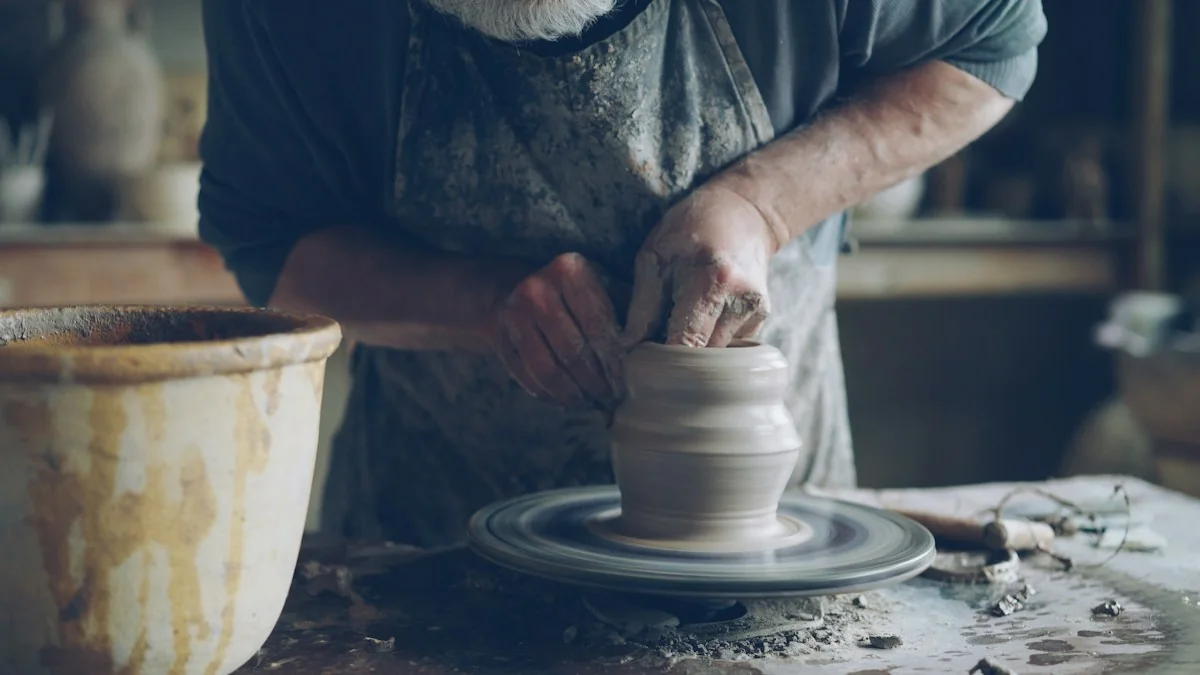
The surface remembers the process.
Clay asks for a particular kind of attention. Its softness changes as it dries; a form that holds at one moment may need support at another. The maker responds through pressure, timing and touch.
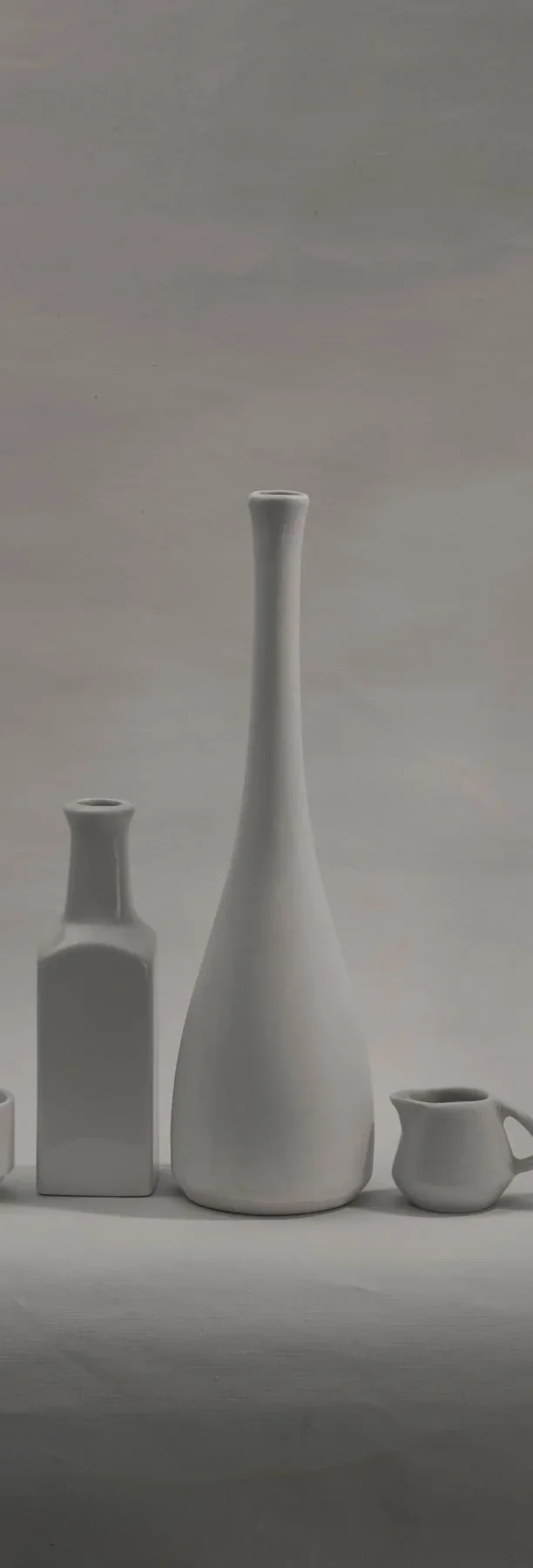
A vessel can reveal traces of that exchange. A turned foot, a gentle variation in the rim or the meeting of glazed and unglazed surfaces offers clues to the way it was made. These details are worth noticing before judging a piece by its silhouette alone.
At Tavomirra, this is where a story begins: with an observation, followed by a question about the work behind it.
Follow the making process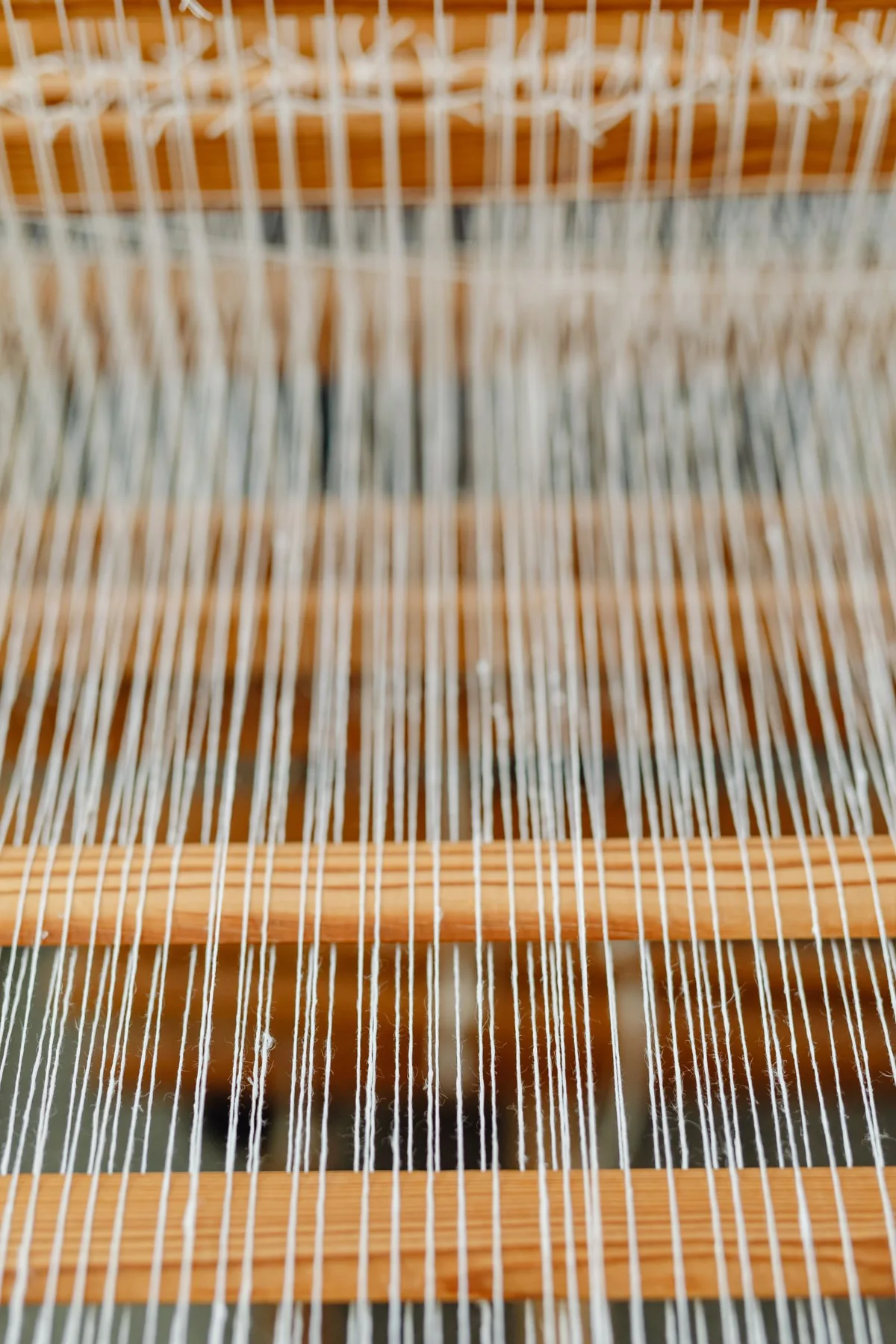
Weaving makes a relationship visible. Each crossing depends on what came before it, while a change in colour or tension can alter the surface. Looking closely reveals how a repeated action becomes an individual expression.
When exploring a textile, start with the structure. Notice the density of the weave, the thickness of the yarn and the spaces between threads. Pattern is only part of what makes a fabric distinctive.
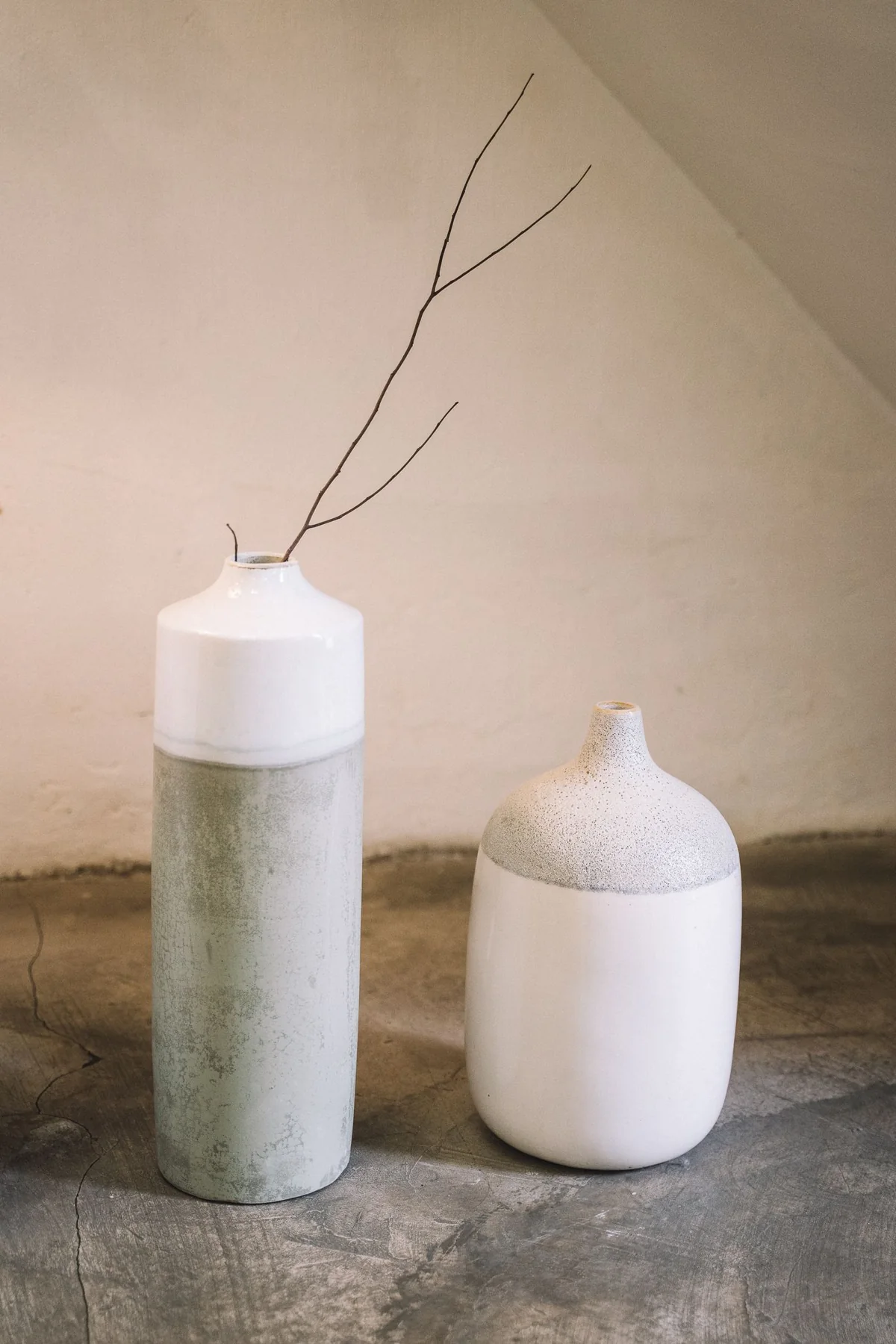
An object can be modest and still deserve our attention. The angle of a handle, the balance of a base or the way a surface catches the light can change the experience of using it.
Consider a piece from several perspectives: what it is made from, how its parts meet and how it relates to the hand. Design becomes more interesting when appearance and use are considered together.
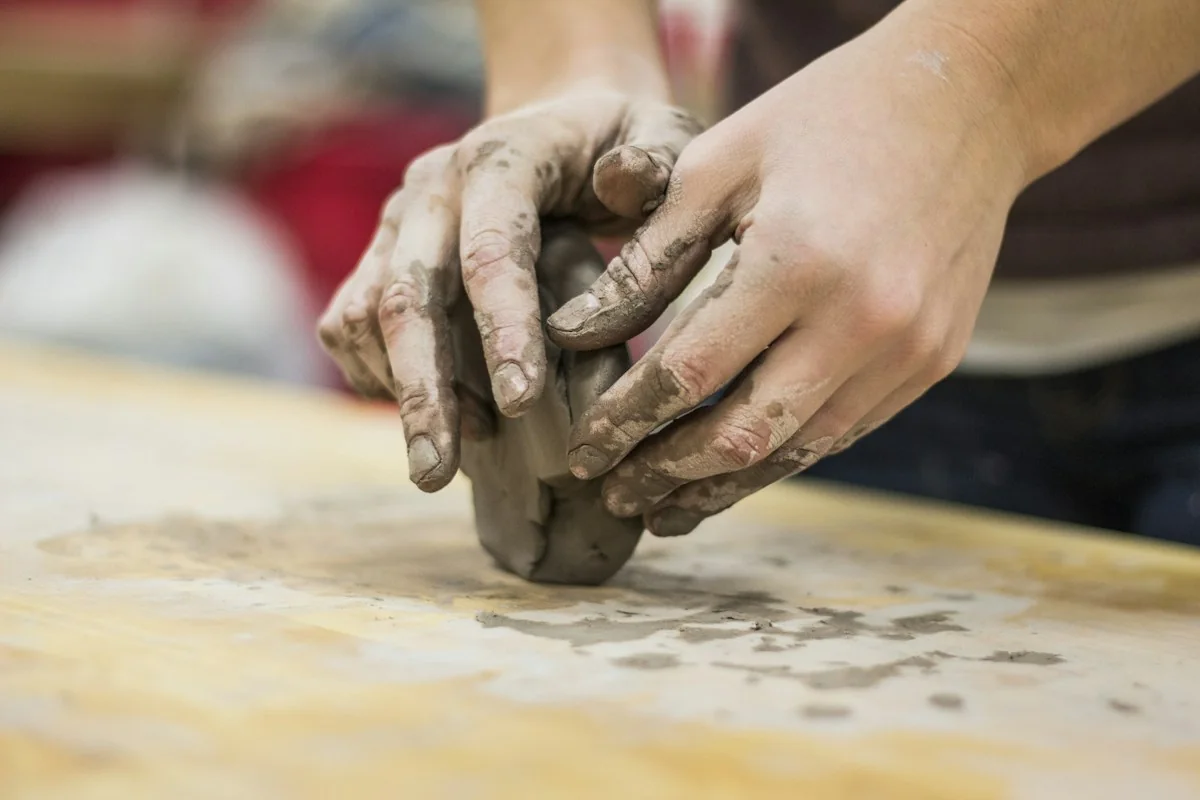
Some knowledge is difficult to separate from movement. A maker adjusts pressure, recognizes resistance and notices small changes that may be invisible to an observer.
Explaining craft means making space for that experience without turning it into a mystery. Careful descriptions of tools, materials and decisions help us appreciate skill while keeping the process understandable.
Every creative decision meets a physical reality.
A surface can be polished, rough, woven or deliberately irregular. Look at how it meets the light and imagine how it would feel. Texture often tells us something about both the material and the tools used to work it.
A hollow form, a join or a woven crossing gives an object its strength and shape. Understanding construction connects what we see on the outside with the practical decisions that make it possible.
Natural materials and hand processes introduce differences. Their meaning depends on the piece: a variation may be intentional, inherent to the material or simply part of the working process. Context helps us read it accurately.
How an object is used and cared for is part of its story. Follow guidance specific to its materials and finish rather than assuming that every handmade piece needs the same treatment.
A way to understand the process,
one decision at a time.
Begin with the material, the intended use and the question a piece is trying to answer. Observation gives an idea something concrete to respond to.
Sketches, samples and small experiments reveal possibilities. Trying a proportion or a finish can be as important as refining the original idea.
Tools and hands bring the form into being. The process may involve repeated adjustments as the material responds and the work develops.
Examine what the piece communicates and how it functions. Reflection connects one finished object to the knowledge carried into the next.
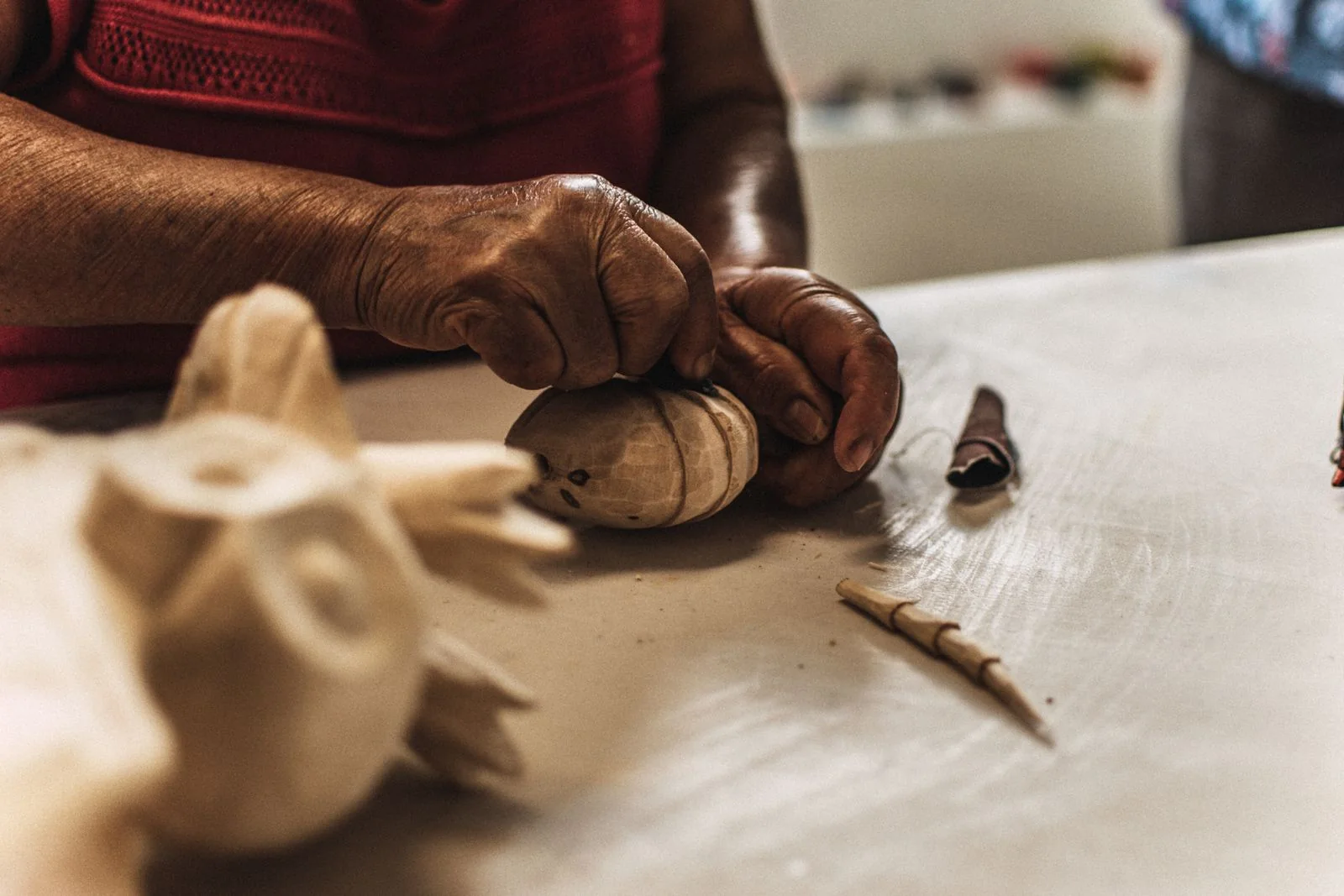
Meaningful stories recognize the people behind the work. A name, a practice and a personal perspective deserve accurate credit rather than a generic label.
A technique belongs to a wider story of place, learning and use. Cultural curiosity starts with listening and looking beyond the surface.
Inherited skills are a starting point for ideas. Contemporary work can draw on tradition while changing its scale, purpose or visual language.
Specific details help an audience understand more than broad claims do. We value straightforward writing and images that reveal something about the work.
No matching questions. Try a different word.
Tavomirra is a craft and creative design brand celebrating the people, materials and techniques behind handmade work. Handmade Shop Beta brings together our perspective on handmade ceramics, artisan textiles and contemporary objects, with an appreciation for thoughtful design and individual expression.
We begin with a specific material, process or design decision. Rather than judging an object only by its appearance, we ask how it was made, what knowledge it draws on and how its details affect the experience of using or understanding it.
Our world spans handmade ceramics, artisan textiles, woodcraft and the design of everyday objects. We approach each practice through its materials and process, rather than treating handmade work as a single style.
Begin with material, proportion and purpose. Notice how the edges are finished, how different parts meet and how the piece might feel in use. A handmade ceramic vessel, a woven textile or a carved wooden form becomes more meaningful when its construction and character are understood together.
Start with three questions: what is it made from, how has it been constructed and why might the maker have chosen that approach? Look at the edges, joins, surface and proportions. Where possible, learn from the maker's own explanation rather than judging by appearance alone.
Handmade describes an approach to production; it does not, on its own, establish environmental performance. Materials, energy use, sourcing, durability and care all matter. Specific evidence is more useful than a general assumption about how an object was made.
Return to the material, look again at the process, or discover a detail you missed. A closer look is often the beginning of a different understanding.
Explore stories & ideasTavomirra is the public-facing brand of Michelangelo Foundation for Creativity & Craftsmanship.